Approved Heaters

Temporary Heater Selection

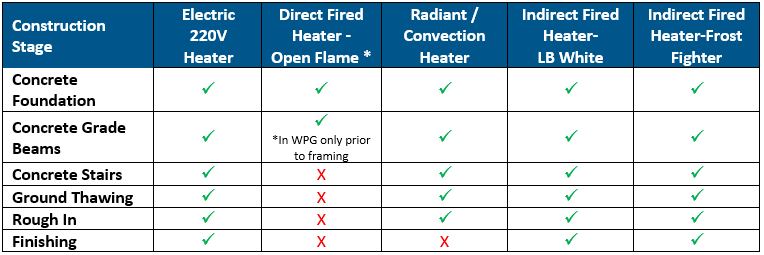
As per Qualico’s safety rules as well as our insurance requirements, this guide has been created to provide guidance on the types of heaters approved for use at various stages of home construction for the business units within Qualico.

The following table outlines the approved heaters and the stages at which they may be used.
Safety Rules for Temporary Heaters

The following rules must be adhered to when using temporary heaters at all Qualico work sites.

Type of Heater Safety Rules

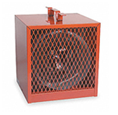
Electric 220V Heater

  • The heater must be placed on a non-combustible material, such as drywall or gypsum sheeting.
  • Keep all combustible materials a minimum of 3 feet away from the outlet/heater face and a minimum of 3 feet from the top, side and rear.
  • Avoid using extension cords, unless provided by a certified electrician.
  • If an extension cord is used, the connection where the two cables meet should be placed on a non-combustible material such as drywall or gypsum sheeting. The extension cord must also be of equal or greater amperage to prevent the cord from overheating.
  • Ensure the area around the heater is clear of obstructions to ensure proper airflow and to avoid overheating.
  • Ensure the heater is placed in a stable location, to prevent potential tip-over.
  • The 220V heater must be connected to a power source that is properly grounded or installed by an electrician.
  • Do not operate heaters with a damaged cord or plug or after the heater malfunctions, has been dropped or damaged in any way. Report the damage or malfunction to your supervisor and tag the heater out of service.
    • If the 220V heater is owned by Qualico, and is damaged, take it out of service, as per your regional requirements.
    • If the 220V heater is rented by a supplier, tag the heater out of service and contact the supplier immediately.
  • Do not alter the heater’s thermostat, power cord or plug.
  • Do not place the electric heater near water or damp places, to prevent electric shock or short circuiting.
  • Regularly inspect the heater at least once a day, to ensure it is in good working condition and meets the safety rules in this section.
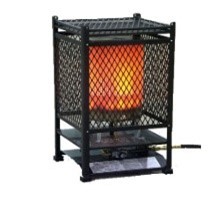
Direct Fired Heaters – Open Flame

  • Ensure the heater is placed on a flat surface and level surface.
  • The heater must be placed on a non-combustible material. Keep all combustible materials a minimum of 10 feet away from the outlet/heater face, 8 feet from the top and a minimum of 3 feet from the side and rear.
  • Ensure there is proper ventilation which can assist in getting rid of CO emissions. 
  • Regularly inspect the heater at least once a day, to ensure it is in good working condition and meets the safety rules in this section. 
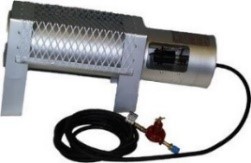
Radiant / Convection Heaters

  • The heater must be placed on a non-combustible material or secured in the air.
  • Keep all combustible materials a minimum of 4 feet from the top of the heater and 5 feet from the sides of the heater.
  • The heater must be properly secured or chained. This will prevent the heater from falling over and potentially starting a fire, as well as to prevent unauthorized personnel from moving it.
  • Only certified gas fitters are to install the line to the main gas connection. If it is connected to the main gas connection and it needs to be moved, contact the supplier.
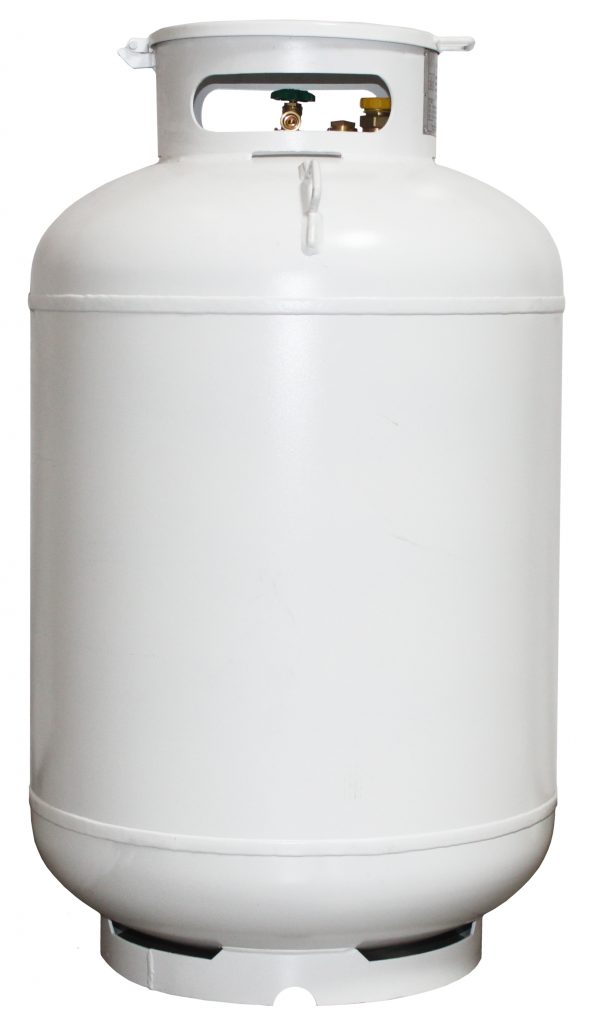
  • If the heater is powered by propane, ensure the propane tank is kept outside and secured in an upright position. Refer to the table at the end of this document for safe distances for placing propane tanks.
  • Ensure there is proper ventilation by opening windows or doors which can assist in getting rid of CO emissions. 
  • Regularly inspect the heater at least once a day, to ensure it is in good working condition and meets the safety rules in this section. 
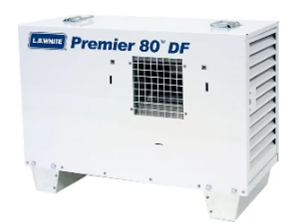
Indirect Fired Heater – LB White

  • Keep all combustible materials a minimum of 6 feet away from the outlet/heater face and a minimum of 1 foot from the top, side, and rear.
  • Only certified gas fitters are to install these heaters to the main gas connection. If the heater needs to be moved, contact the supplier.
  • If issues are identified with the heater, turn off the fuel supply at the source and contact the supplier.
  • If the heater is powered by propane, ensure the propane is kept outside and secured in an upright position. Refer to the table at the end of this document for safe distances for placing propane tanks.
  • Ensure there is proper ventilation by opening windows or doors which can assist in getting rid of CO emissions. 
  • Regularly inspect the heater at least once a day, to ensure it is in good working condition and meets the safety rules in this section. 
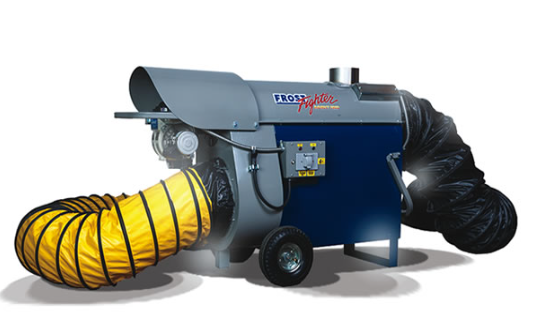
Indirect Fired Heater – Frost Fighter

  • The heater must be placed on a non-combustible material. Keep all combustible materials a minimum of 10 feet away from the outlet/heater face and a minimum of 10 feet from the top, side, and rear.
  • This heater may only be installed at the front or rear of the home. In certain cases, it can be installed on the side of the home as long as all sides of the heater are a minimum of 10 feet away.
  • If a chimney is required for the heater according to local regulations, it must be installed by the supplier.
  • Only certified gas fitters are to install these heaters to the main gas connection. If the heater needs to be moved, contact the supplier.
  • If you need to connect/disconnect or service the heater, contact the supplier.
  • If issues are identified with the heater, turn off the fuel supply at the source and contact the supplier.
  • If the heater is powered by propane, ensure the propane is kept outside and secured in an upright position. Refer to the table at the end of this document for safe distances for placing propane tanks.
  • Regularly inspect the heater at least once a day, to ensure it is in good working condition and meets the safety rules in this section. 

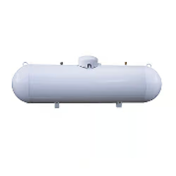
Location of above-ground tanks for consumer applications

Total aggregate water capacity, USWG (L) Minimum distance, ft (m), between tank and property line; adjacent concrete or masonry building wall with no building openings within the specified clearance; source of ignition* Minimum distance, ft (m), between tank and building wall of other than concrete or masonry construction Minimum distance, ft (m), between tank and building opening Minimum distance, ft (m), between tank and adjacent tank†
Up to and including 125 (475)

None‡

None 3 (0.9) None
Over 125 (475) up to & including 1000 (3800)

10 (3)  10 (3)  10 (3)  3 (0.9)
* Distances to property lines may be amended by the authority having jurisdiction.
If tanks of a multiple tank installation are installed on a common base or pier, the clearances may be reduced at the discretion of the authority having jurisdiction.
10 ft (3 m) from any source of ignition.
Source: Table 7.4 of the 20-GCB-14 [Rev3] Temporary Heat for Construction Sites from February 2021